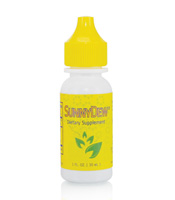
Liquid Stevia sweetener has been getting more and more attention, by those who base their diets on natural foods, and even those who do not. One of the biggest reasons that liquid Stevia sweetener has ended up in the spotlight is because of the increasingly disturbing reports coming out about other sweeteners like aspartame. Whether you choose to eat natural foods or not, you may want to consider switching to liquid Stevia rather than using sugar or the sugar substitutes currently on the market.
Is Liquid Stevia Sweetener a Natural Food?
One of the best aspects of liquid Stevia sweetener is the fact that it is comes from natural sources. In fact, it is derived from the stevia plant that is related to both lettuce and chicory. This is great news to those who want a healthy way to sweeten their natural foods and drinks. Of course, other types of foods can benefit, as well. As liquid Stevia sweetener grows in popularity, so too does our understanding of new ways to utilize it.
Is Liquid Stevia Sweetener Better for Your Health Than Sugar?
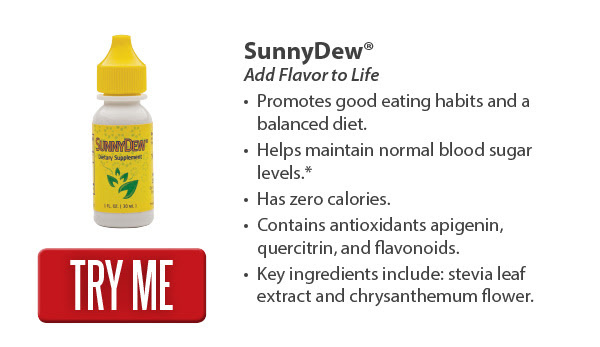
While it’s hard to say that one type of sweetener is “better” than another, there are certainly some areas in which Stevia seems to have advantages over the sugar that we are accustomed to using. In addition to being 100% natural, liquid Stevia sweetener doesn’t contain any calories. That, in itself makes this sweetener appealing to many, especially those who stick to healthy, natural foods. Whereas sugar is known to cause tooth decay, Stevia has been found to prevent cavities.
Liquid Stevia sweetener has also been recommended for diabetics in many cases. This is because it does not affect blood glucose levels in the same way that sugar does. Interestingly enough, it is also 250 to 300 times sweeter than sugar, which means that only a small amount needs to be used. Rest assured, it can be used in pretty much the same way as sugar. While the plant has been used by the Guarani Indians to sweeten tea for hundreds of years, it is now used in homes all over the U.S., not just in beverages, but even as a sugar substitute in baking with natural foods.
The Acceptance of Liquid Stevia Sweetener
With the obvious benefits of liquid Stevia sweetener and the fact that it has been a known natural foods sugar substitute for hundreds of years, it is hard to understand why it hasn’t been in use in modern culture for more than a few years. The fact of the matter is that it has! Stevia has been used in Japan since the 1970s, and the studies that have been done on it have been very positive.
In 1995, Sunrider International’s Dr. Tei Fu Chen successfully petitioned the FDA to allow the use of liquid Stevia as a dietary supplement in the United States. More recently, it has been approved as a food additive and companies like Coca Cola and Pepsi are lining up to begin putting Stevia in widely distributed products.
The reasons for the ban of Stevia sweetener as a food additive were hotly debated, with many pointing to lobbyists from both the sugar and the sugar-substitute industries. It has experienced a number of classifications since being allowed in the U.S., and it’s likely that the use of liquid Stevia sweetener for both natural foods and as a part of prepackaged foods will continue to grow as consumers learn about its many advantages.
Most Products are on backorder from Sunrider. We will not take any more orders until Sunrider resolves their production problems. Please use our site for educational purposes, read the blog to learn about the products and how to best use them.
EASY Refund and Exchange Policy After you purchase anything at our health food store online, if you feel that it does not live up to your expectations, simply return any unused merchandise within 30 days and we’ll give you a full refund of the purchase price, or exchange for equal value.
We are Sunrider Independent Business Owners. Sunrider International is not responsible for the content at our health food store online and the statements here have not been evaluated by the Food and Drug Administration. Sunrider products are not intended to diagnose, treat, cure or prevent any disease.
Site contentby Cliff Smith
All BestHealthFoodStore.net content by Cliff Smith is licensed under a Creative Commons Attribution-NonCommercial-NoDerivatives 4.0 International License. Based on work at http://www.besthealthfoodstore.net.