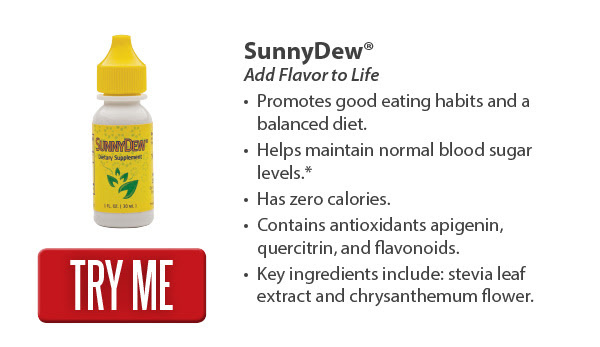
Anyone searching for healthy, low carb foods or zero calorie sweeteners should be aware of liquid stevia sweetener, the all natural zero calorie replacement for sugar or artificial sweeteners.
A vast majority of articles and research projects conducted on stevia have concluded that it may be the one sweetener that is actually good for people. It has been shown that liquid stevia can help individuals maintain normal blood sugar levels, and it is a zero calorie sweetener.
What is stevia?
What is stevia, and why is Coca Cola teaming up with Cargill to make it a replacement for sugar in many products, including drinks? Also, why has the FDA rejected stevia as a food additive, but permitted it to be used as a dietary supplement?
First, let's take a look at the origins of stevia and how it has gained attention with the rise in demand for low carb foods, low sugar substitutes and safer replacements for artificial sweeteners.
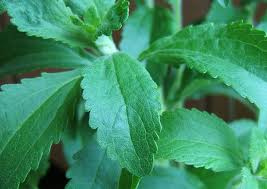
Stevia has been used for centuries by native South American tribes as a sweetener in their yerba mate and medicinal teas for treating heartburn and other ailments. It is a plant in the Chrysanthemum family, which grows wild in parts of Paraguay and Brazil.
Wikipedia describes stevia as an herb or shrub "in the sunflower family, native to subtropical and tropical South America and Central America". The plant's extracts have up to 300 times the sweetness of sugar, but have a negligible impact on blood glucose. That is why liquid stevia sweetener is gaining attention as a sugar substitute that can help people, especially those on a low carb diet, maintain normal blood sugar levels.
Since the early 1970's, Japan has led the way in cultivating and using stevia as a replacement for artificial sweeteners such as cyclamate and saccharin, which are alleged carcinogens. Commercially produced in Japan since 1977, stevia sweeteners are often used in that country for low carb foods, soft drinks and natural health drinks. Japan currently accounts for about 40% of the world's consumption of stevia sweetener, more than any other country. It is now widely used throughout the world, especially in East Asia, South America and Israel. Stevia has been available as a dietary supplement in the United States and Canada since the mid 1980's. Many people today are using liquid stevia as a sweetener in many different ways.
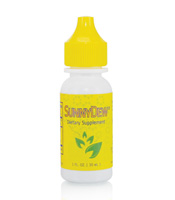
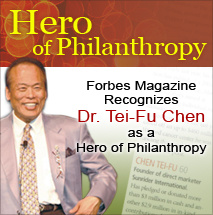
In 1984, Dr. Tei-Fu Chen, an American herbalist from Taiwan, perfected a method to extract the sweetness from stevia without using chemicals. This method is accepted today as the most advantageous way to produce stevia products for consumption. Dr. Chen's company, Sunrider, successfully petitioned the FDA in 1995 to lift the import alert on the extract of stevia leaves. Sunrider was one of the first companies to introduce liquid stevia to the market with the product Sunectar, in 1984, and later a variation known as SunnyDew Liquid Stevia.
This paved the way for companies to use stevia sweetener as a "dietary supplement", and in May of 2007, Coca Cola announced plans to seek approval for its use as a "food additive". Coca Cola currently uses stevia in soft drinks made in Japan, and is hoping to market a new calorie free sweetener in the United States to use in low carb foods and health drinks by 2009. Coca Cola is tentatively planning to call their product, Rebiana, which is derived from the plant's botanical name stevia rebaudiana.
The only thing that might prevent the use of stevia based products for low carb foods and drinks in the U.S. is the FDA approval of stevia sweetener as a "food additive". It is currently only allowed to be used as a dietary supplement, not a food additive. You see, stevia grows naturally, therefore it does not require a patent.
However, pressure from consumers is beginning to force the FDA to carefully consider its current ban on stevia sweetener as a food additive. Coca Cola has teamed up with the agricultural products company, Cargill to market rebiana-sweetened products in 12 countries that already allow stevia sweetener as a food additive.
As far as I can tell through research and through my own experience with stevia, the benefits of this herbal supplement far outweigh any possible negative consequences. Stevia sweetener is hundreds of times sweeter than sugar, so only very small amounts are required to enhance drinks and foods.
Stevia contains zero calories and that is beneficial to anyone, especially those on a low carbohydrate diet. It has been said that stevia is food for the pancreas, and can actually help people maintain normal blood sugar levels. Through my own daily use of stevia sweetener and my desire to maintain a diet of low carb foods for more than seven years now, I can say that it has helped reduce cravings for sugary foods and has contributed to a decrease in mood swings caused by over-consumption of sugar.
I encourage anyone who is searching for quality nutrition in low carb foods to investigate liquid stevia sweetener and make it a part of a healthy, balanced, low carbohydrate diet.
Author Profile--Cliff Smith is the owner of this online health food store that carries liquid stevia along with low carb foods and all natural, concentrated health drinks not sold in stores. Cliff is also a professional actor and voiceover artist who offers free audio downloads on topics that include high fiber foods, health drinks and all natural low carb foods for a low carb diet.
Most Products are on backorder from Sunrider. We will not take any more orders until Sunrider resolves their production problems. Please use our site for educational purposes, read the blog to learn about the products and how to best use them.
EASY Refund and Exchange Policy After you purchase anything at our health food store online, if you feel that it does not live up to your expectations, simply return any unused merchandise within 30 days and we’ll give you a full refund of the purchase price, or exchange for equal value.
We are Sunrider Independent Business Owners. Sunrider International is not responsible for the content at our health food store online and the statements here have not been evaluated by the Food and Drug Administration. Sunrider products are not intended to diagnose, treat, cure or prevent any disease.
Site contentby Cliff Smith
All BestHealthFoodStore.net content by Cliff Smith is licensed under a Creative Commons Attribution-NonCommercial-NoDerivatives 4.0 International License. Based on work at http://www.besthealthfoodstore.net.