Alkaline foods and acid foods have assumed a major role in the discussion of human nutrition. However, many people are confused about how to deal with yet another overwhelming health concern. It can be tempting to just avoid thinking about the subject rather than sorting through all the information available, but it doesn’t need to be that difficult. When it comes to determining a healthy intake of alkaline foods and acid foods, there are a couple of important questions that need to be answered:
What are alkaline foods and acid foods?
How do you correctly balance the two?
These questions are critical due to the fact that our diets affect every other aspect of our bodies’ functions—from energy to mood to illness and disease.
Are They Alkaline Foods or Acid Foods?
There are a few ways to answer this question, but it is most helpful to find a resource you trust and simply look up the food in question. It is a good idea to find or create a chart that can be displayed on the front of the refrigerator. Then, as you cook, you can look up items and determine if they are alkaline foods or acid foods.
Keep in mind that simply testing an item with litmus paper is not necessarily the best indicator of how it actually affects the body. Alkaline foods do not always start out that way. Rather, they are categorized by how they react internally. A great example of this is lemons. When you cut a lemon open, you find it to be acidic. Once it is digested, however, a lemon actually helps create an alkaline environment in the body.
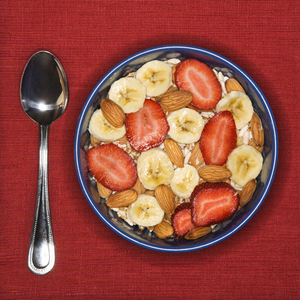
Generally speaking, fruits and vegetables are going to be the best sources for alkaline foods, although they will certainly fall all along the range from acid to alkaline. On the other hand, meats and processed sweets are almost always going to be acid foods. Obviously, most of Western society derives protein and other important nutrients from meat, so simply cutting out all acid foods is not necessarily a realistic choice. Many acid foods are, in fact, important for our overall health.
How Do You Balance Alkaline and Acid Foods?
As with nearly any food-related subject, the key to proper nutrition is balance. Choosing a healthy ratio of alkaline foods to acid foods is what keeps the body in its best working condition. Human blood almost always registers between 7.35 and 7.45 on the pH scale. This means that it is slightly alkaline, as 7 is considered neutral. When we introduce too many acid foods, the pH starts to move downward. If it falls too low, serious damage and even death can be the outcome.
In order to keep the body’s pH in check, it is necessary to eat a diet that includes the proper balance of alkaline foods and acid foods. A good guideline is to ensure that 75-80% of the foods and drinks you choose are considered alkaline foods or drinks. Because most processed foods, as well as meat and grains, are typically acidic, this means making sure you get a sufficient supply of alkaline foods each day.
It is also helpful to remember that stress (physical and emotional), alcohol, stimulants (caffeine, nicotine, etc.), and even pollution add to the acid formation in the body. Focusing on more alkaline foods and fewer acid foods in the diet can help to counteract these unfortunate realities of modern life.
Author - As one of the owners of an online health food store, Cliff Smith helps consumers see how their alkaline-acid food choices impact the body. Also, discover the alkaline foods and drinks Cliff recommends for healthy pH balance.
Most Products are on backorder from Sunrider. We will not take any more orders until Sunrider resolves their production problems. Please use our site for educational purposes, read the blog to learn about the products and how to best use them.
EASY Refund and Exchange Policy After you purchase anything at our health food store online, if you feel that it does not live up to your expectations, simply return any unused merchandise within 30 days and we’ll give you a full refund of the purchase price, or exchange for equal value.
We are Sunrider Independent Business Owners. Sunrider International is not responsible for the content at our health food store online and the statements here have not been evaluated by the Food and Drug Administration. Sunrider products are not intended to diagnose, treat, cure or prevent any disease.
Site contentby Cliff Smith
All BestHealthFoodStore.net content by Cliff Smith is licensed under a Creative Commons Attribution-NonCommercial-NoDerivatives 4.0 International License. Based on work at http://www.besthealthfoodstore.net.